

Türkiye’s TSE-certified technical textile manufacturer
Carbon Fiber and Basalt Fiber Solutions for Structural
Strengthening
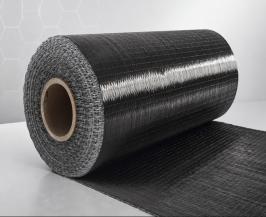
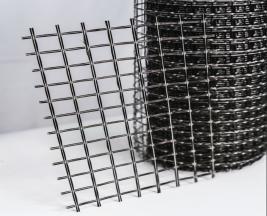
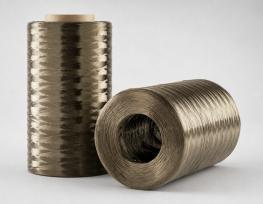
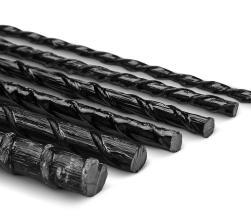
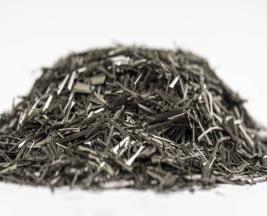
We manufacture carbon fiber fabrics, basalt fiber meshes, and FRP rebar systems for strengthening reinforced concrete structures and restoring historic buildings.
TSE-Certified
Production
Production
100%
Made in Türkiye
Made in Türkiye
Reinforcement &
Restoration Specialists
Restoration Specialists
Exports to
15+ Countries
15+ Countries
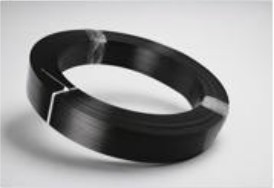
Carbon Reinforcement Systems
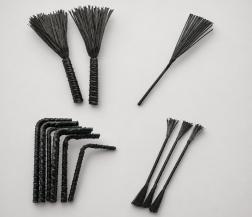
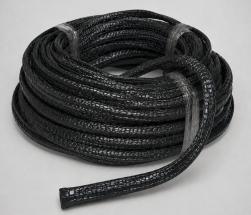
Basalt Reinforcement Systems
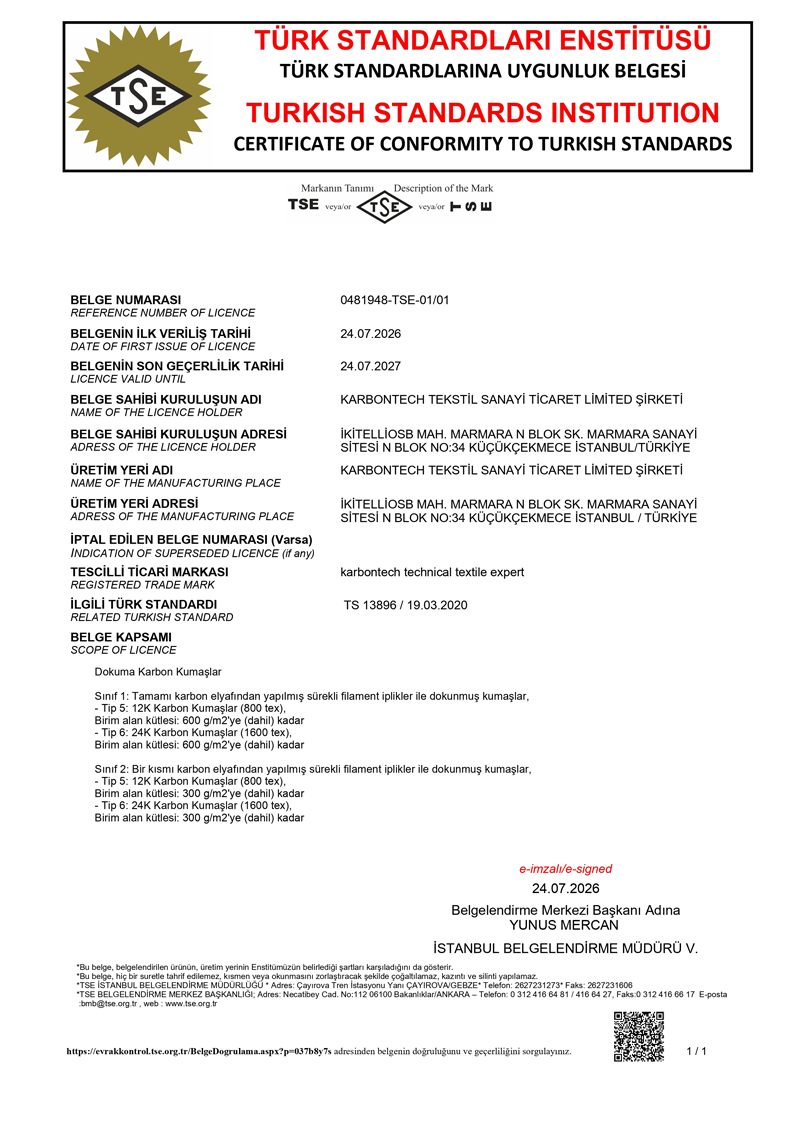
TSE-Certified Production
Production certified to the TS 13896 standard.
Turkish Manufacturer
High-quality technical textiles made in Türkiye.
Expert Technical Support
Solutions and engineering support tailored to your project.
0+
Completed Projects0+
Tonnes of Production Capacity0+
Export DestinationsReferences
A Trusted Project Partner





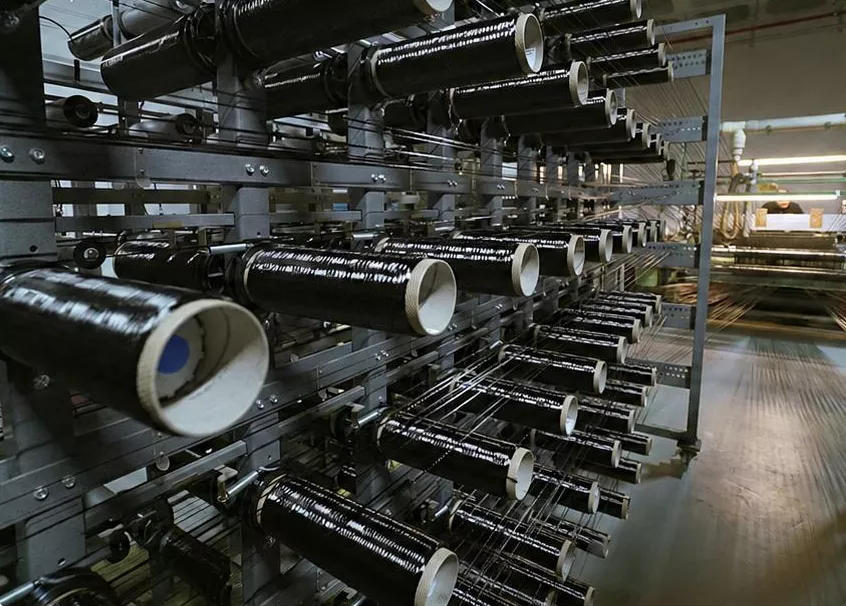
Specialized Technical Textile Manufacturing
Project-specific, reliable, and measurable solutions.
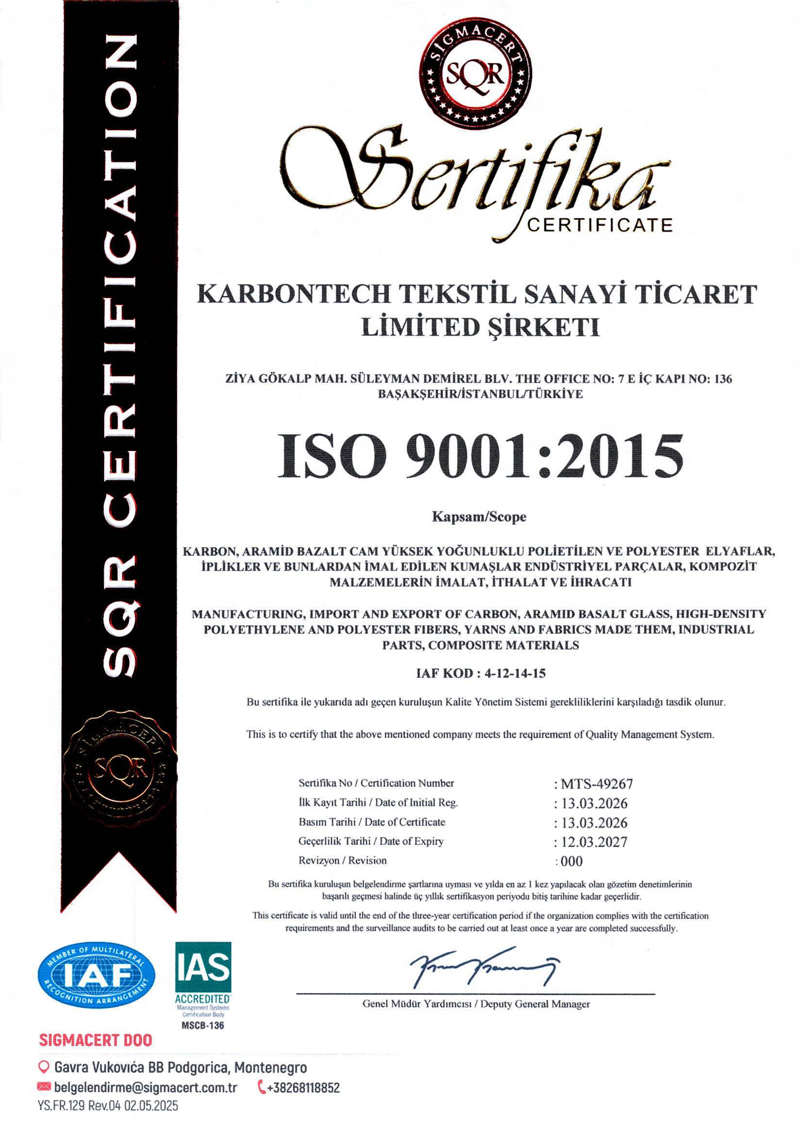
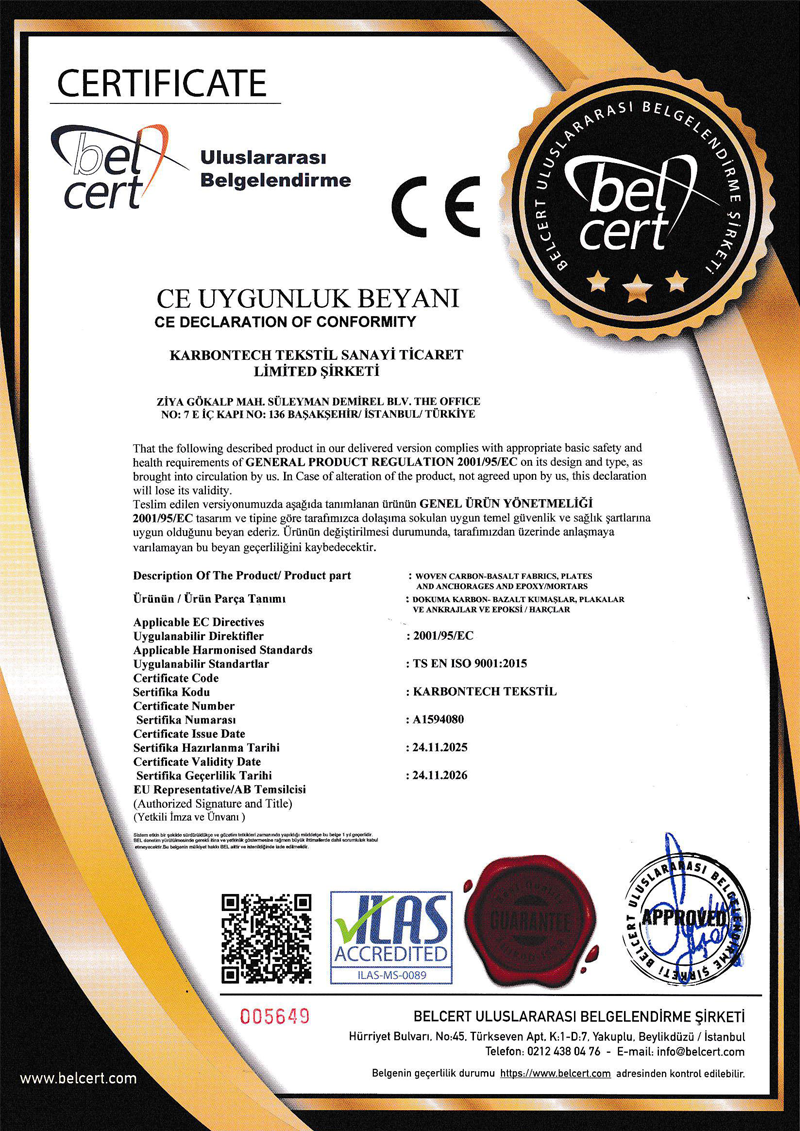
KarbonTech provides integrated solutions for structural strengthening, restoration, and high-performance technical textiles, from manufacturing and product selection to technical support.
Project-specific product selection Technical documentation support Local production and fast supply
Our Solutions
High-Performance Materials
for Structural Strengthening
Our carbon and basalt fiber products provide durable reinforcement for concrete buildings and historic structures, helping improve seismic performance and supporting restoration work.
Carbon Fiber
Strengthening Systems
 High Strength
 Thin and Lightweight
 Corrosion Resistance
 Long Service Life
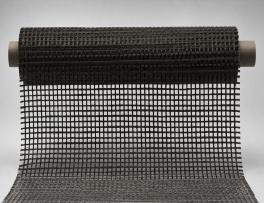
Basalt Fiber Strengthening
Systems
Made with naturally strong basalt fibers, our products offer heat and chemical resistance and a sustainable material choice.
 High Heat Resistance
 Natural & Sustainable
 Chemical Resistance
 Durable & Reliable
The latest from KarbonTech
News
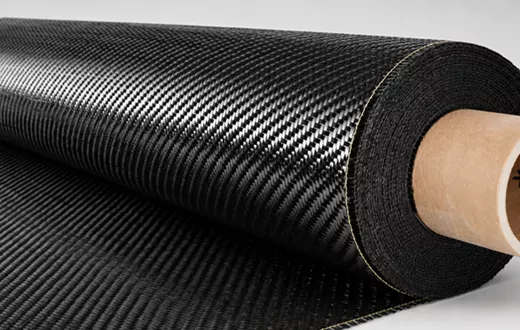
Choosing the Right Products for Carbon Fiber Strengthening Systems
Achieving high performance in carbon fiber-based strengthening systems is not only possible by using a high-strength material, but…
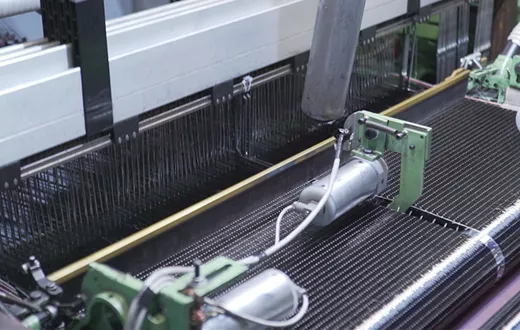
Manufacturing in Compliance with TS 13896
The performance of products used in structural strengthening and restoration applications is directly related to structural safety…
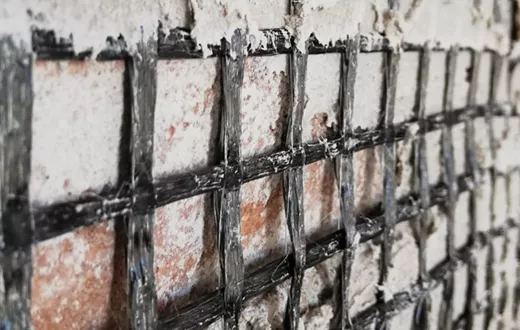
Applications of Basalt Mesh Reinforcement
Basalt fiber is a mineral-based reinforcement material obtained by melting natural basalt stone at high temperatures and turning i…
Common questions
Frequently Asked Questions
Explore the applications, benefits, installation steps and costs of basalt and carbon fiber reinforcement systems.
Basalt fiber reinforcement involves the use of fiber-based composite materials to strengthen masonry structures and improve structural ductility.
Basalt reinforcement systems can be used in structural strengthening and construction applications to improve resistance to seismic and other mechanical loads. When properly designed and installed, these systems can contribute to greater structural durability and performance.
-
in the restoration of historical buildings,
-
in eliminating risks caused by corrosion,
-
in road construction and road repair works,
-
in part production in the automotive sector,
-
in foundation construction,
-
in ground support and strengthening works,
-
in concrete and mortar reinforcement works,
-
in the construction of prefabricated buildings,
-
in insulation works.
It is known that tremors and shocks create a risk of collapse in reinforced concrete structures. Through basalt reinforcement works, living spaces, workplaces, and all kinds of buildings have been made more robust. This high-quality material, which adds strength to structures, has proven itself as a material that inspires confidence in every field of use.
In columns, basalt reinforcement can improve shear and flexural strength, impact resistance, and load-bearing performance.
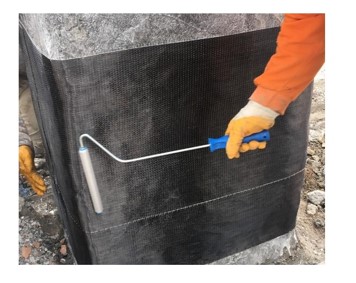
In beams, it can enhance flexural and shear resistance.
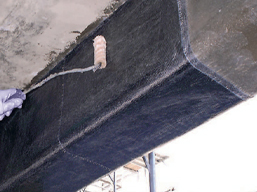
In chimneys, it can improve resistance to wind loads and bending.
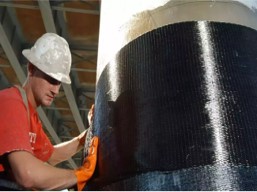
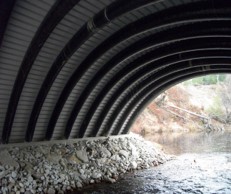
In tunnels, it can improve resistance to lateral movement, bending, and compressive forces.
Technical Advantages:
- Ease of application and use
- It offers the possibility of using different composite materials for different physical values.
- It does not corrode and does not create a magnetic field.
- It can be applied without preventing or stopping the current use of the structures.
- It can strengthen any desired type of structural element and material.
- It increases axial load-bearing capacity, bending and shear resistance, and strength.
- It increases resistance to material fatigue caused by dynamic loads.
- It adds minimal dead load and typically requires little change to the geometry of structural elements.
- It is flexible and can be adapted to any form.
Cost Advantages:
- Ease of application and use
- Does not require high-cost machinery and equipment.
- Can be easily applied while the building is occupied.
- Lightweight materials can help reduce handling and transportation costs.
FRP column strengthening systems are used to improve the structural performance of existing buildings, particularly in seismic rehabilitation projects. Depending on engineering requirements, these systems may incorporate carbon or basalt fiber-reinforced materials. Their lightweight structure and mechanical properties make them suitable for a range of strengthening applications.
Applications of Carbon Fiber FRP Reinforcement:
- In structural strengthening,
- In the construction of buildings resistant to earthquakes and all kinds of vibrations,
- In restoration works for historical structures,
- In eliminating risks caused by corrosion,
- In road construction and road repair works,
- In the production of parts for the automotive sector,
- In foundation construction,
- In ground support and strengthening works,
- In concrete and mortar strengthening works,
- In the construction of prefabricated structures,
- In insulation works.
Thanks to the quality and strength provided by the material, it is possible to achieve positive results in every field where the product is used. It is known that tremors and vibrations pose a collapse risk for reinforced concrete structures. Through FRP Carbon fiber reinforcement works, living spaces, workplaces, and all kinds of buildings have been made more robust. This high-quality material, which adds strength to structures, has proven to be a reassuring solution for people in every area of application.
FRP reinforcement fabrics are highly resistant to rust and frost and are also considered structural strengthening materials that are safely used by the construction sector in terms of water absorption.
Carbon fiber is a high-performance material known for its exceptional tensile strength and low weight. These properties make it an effective reinforcement material for structural strengthening applications, particularly when high strength and minimal added weight are required.
How Is It Applied?
First, loose plaster, paint, and other unsuitable surface materials are removed, and any irregularities are corrected. The surface is then prepared using appropriate leveling materials. Carbon fiber FRP reinforcement fabrics are bonded to the prepared surface using epoxy-based resins. Additional resin is applied to ensure proper impregnation of the fabric. Finally, a suitable protective coating, such as plaster or paint, may be applied where required.
FRP (fiber-reinforced polymer) reinforcement can be used with both unidirectional and bidirectional fabrics. These systems can be applied as externally bonded reinforcement to structural elements such as beams, chimneys, silos, tunnels, bridges, and walls, depending on the engineering design.
At KarbonTech, we manufacture and supply carbon fiber strengthening products designed to improve structural performance and support modern engineering applications.
With our knowledge and experience in this field, we aim to make the load-bearing systems of structures stronger and longer-lasting. Carbon strengthening is a technology that offers high strength and lightness, and is preferred especially in reinforced concrete, steel, and wooden structures to increase structural performance. Compared to traditional methods, these systems are much thinner and lighter, and thanks to their high tensile strength, they play an effective role in protecting structures against external effects such as earthquakes, wear, or heavy loads.
Carbon fiber strengthening is a method that is increasingly preferred in the construction sector due to its lightness, high strength and long-lasting structure. However, to be able to mention a clear figure in terms of cost, certain technical criteria need to be evaluated. Key Factors Affecting Costs
Total Area to Be Reinforced (m²)
The most fundamental factor is the surface area where the application will be carried out. As the area grows, the amount of material used and the labor time increase.
Type of Strengthening System The type of carbon fiber fabric and the number of layers to be used in different systems such as column wrapping, beam reinforcement, and underside slab application directly affect the price.
Material Quality and Specifications Carbon fiber density, fabric weight per square meter and the technical properties of the epoxy resin are critical factors that determine the price. Although cheap materials may seem advantageous in the short term, they are risky in terms of longevity and durability.
Application Method and Labor Costs There may be a price difference between manual applications and machine-assisted applications. In addition, since work carried out by expert teams offers long-lasting results, the cost/benefit balance is better.
Surface Preparation and Repair Requirements If there are cracks, exposed reinforcement, or surface deterioration on the reinforced concrete surface, additional repair work may increase the total cost.
Carbon fiber column strengthening prices also vary depending on the number of columns to be treated, column dimensions, the number of carbon fiber layers to be used, and project details. A site survey and analysis are recommended for an exact price.
Project Location and Logistics Whether the application area is inside or outside the city, as well as transportation and logistics, can also affect costs.
The durability of structures is more important than ever in today’s engineering. Due to earthquake risk, the need to extend the service life of buildings, and increasing load demands, strengthening structures has become inevitable. At this point, the carbon fiber strengthening solutions we offer as Karbontech provide a practical and high-performance alternative.
Carbon fiber building strengthening is a modern application that, unlike traditional methods, provides maximum strength with minimal intervention to the structure. This system, which can be quickly applied to reinforced concrete, steel, or wooden structures, significantly improves structural performance thanks to its high tensile strength and flexibility.
Why Is It Easier?
Light and Thin Material: Carbon fiber reinforcements are extremely easy to transport and apply. There is no need for thick additional concrete or heavy steel profiles. Fast Application: Thanks to advanced epoxy systems, carbon fiber fabrics are quickly applied to the surface and cure in a short time. This makes the application process measured in hours, not days.
No Compromise on Aesthetics: With its thin structure, it does not disrupt the architectural integrity of buildings and does not look like an add-on. Long-Lasting Solution: Carbon fiber systems, which do not corrode and are resistant to environmental effects, maintain their performance for many years without requiring maintenance. As Karbontech, we offer engineering-supported, project-specific solutions with both domestically produced carbon fiber fabrics and special resin and application products.
Strengthening is no longer a complex and time-consuming process; thanks to carbon fiber strengthening, it has become easy, fast, and reliable. If you are looking for modern solutions to carry your structures into the future, contact us. As Karbontech, we are by your side to help you build safe structures.
Carbon strengthening is a modern engineering solution applied to increase the load-bearing capacity of reinforced concrete, steel and wooden structures that decreases over time, and to extend their durability and service life.
It is especially preferred in earthquake-prone regions to improve structural safety. Apart from this;
If the shear or bending strength of columns and beams is insufficient,
When additional floors or loads are added to the structure later on,
If there are weak load-bearing elements resulting from design errors,
On worn, cracked or carbonated concrete surfaces over time,
If deformations have occurred due to heavy loads in industrial structures, carbon fiber strengthening provides a solution.
Thanks to its lightweight nature, high strength and rapid applicability, it is an effective and long-lasting method for improving the performance of structures.
Let’s find the right product for your project
Get technical information about our products.