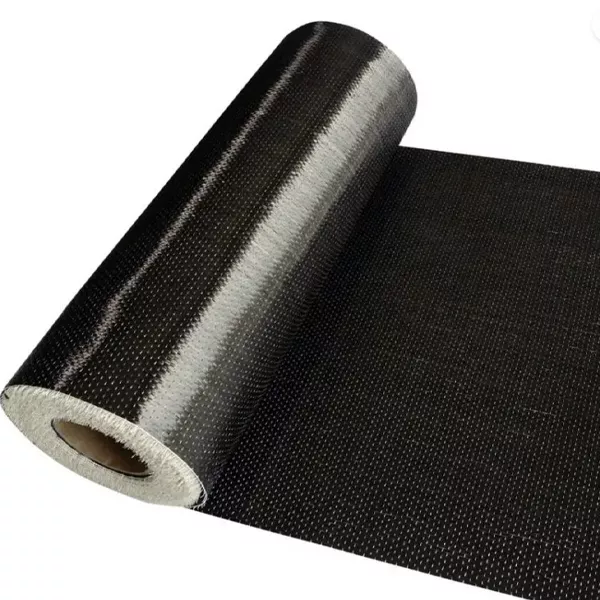
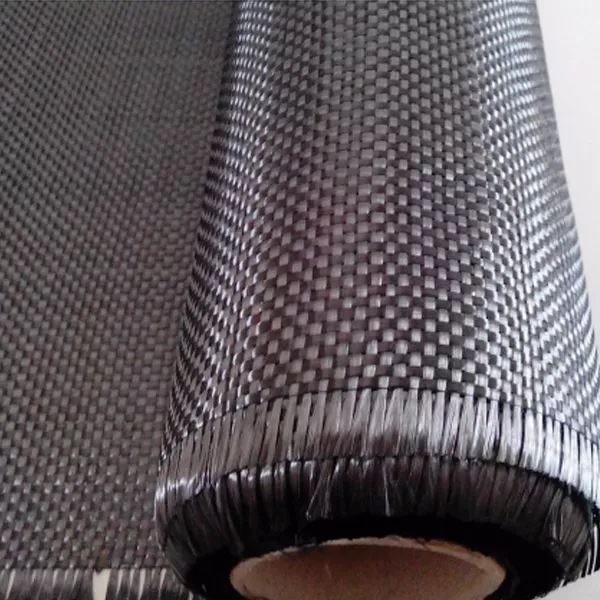
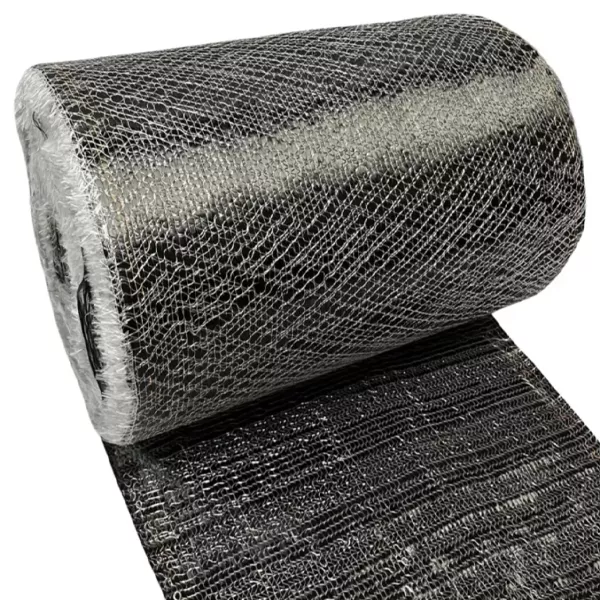
Carbon fiber FRP (Fiber Reinforced Polymer) strengthening fabrics are one of the most important components of this system. FRP carbon fiber fabric is produced by weaving carbon fibers with special techniques and offers high tensile strength together with low weight.
These fabrics are used in many areas such as;
As Karbontech, we offer both locally manufactured carbon fiber fabric types and complementary products such as epoxy resin, primer, and surface preparation materials compatible with this system, all at professional standards. Our products are ideal for professionals who want to create long-lasting solutions in engineering projects. For more information about strengthening systems or for project-specific product consulting, you can contact us. As Karbontech, we are by your side to help you build safe structures.
As Karbontech, one of the innovative solutions we offer in the field of structural strengthening, carbon fiber strengthening, stands out with both its fast applicability and high strength.
So, how is carbon fiber fabric applied, and what should be taken into consideration during this process?
The application process of carbon fiber systems is a technical task that requires both engineering and on-site experience. Therefore, it is very important that the application is carried out with the right material selection and by professional teams.
1. Surface Preparation
In the first step, the surface to be strengthened is inspected in detail. Weak areas on reinforced concrete surfaces are repaired, the surface is smoothed, and elements such as dust, dirt, and oil that could hinder the application are cleaned. This step is critical to ensure full adhesion of the carbon fiber to the surface.
2. Primer Application
After the surface is prepared, our specially developed epoxy primer material is applied. The primer increases the adhesion between the carbon fiber fabric and the surface, making the system more durable.
3. Placement of Carbon Fiber FRP Fabric
After the primer has cured, the next step is to place the carbon fiber FRP fabrics. These fabrics are cut to specific lengths and widths according to the application project. Epoxy resin is applied to the surface, and the carbon fiber fabric is carefully placed onto it. Then epoxy is applied over it again so that the fabric is fully impregnated.
4. Layer Application (If Needed)
In some projects, more than one layer of carbon fiber fabric may be used depending on the required load-bearing capacity. Resin is applied between each layer and allowed to cure.
5. Protective Coating
In the final stage, special coatings that provide UV, fire, or impact resistance can be optionally applied to the treated surface. These coatings contribute to the long service life of the carbon fiber system.
The answer to the question, how is carbon fiber fabric applied, may vary according to the needs of each structure. As Karbontech, we offer engineering solutions tailored to each project and manage all processes from production to application with our team of experts.
Carbon fiber fabric is a material that stands out for its durability and lightness. When used correctly and applied with protection against environmental factors, it can remain durable for up to 20–25 years. Factors such as moisture, UV rays, chemicals, and extreme temperatures can affect its lifespan. In particular, carbon fiber surfaces that are properly laminated with resin preserve their strength and shape for many years. This long service life is also the reason it is preferred in structural applications and in fields such as automotive and aviation. If maintained regularly, carbon fiber can be used safely for a very long time.
Fiber fabrics (carbon, glass or basalt fiber fabrics) have a wide range of applications in structural strengthening projects thanks to their high strength, light weight and flexibility.
1. Column and Beam Strengthening
By wrapping fiber fabrics around existing columns and beams, the load-bearing capacity of structural elements is increased. In this way, problems caused by earthquakes, settlement or inadequate load-bearing systems are eliminated.
2. Shear Wall Strengthening
Weak or insufficient reinforced concrete shear walls are wrapped with fiber fabrics to increase their load-bearing capacities for both horizontal and vertical loads. They are especially preferred in regions with high seismic risk.
3. Restoration of Historical Structures
In historical structures built with traditional materials such as stone, brick or wood, strengthening is achieved without damaging the load-bearing system. In such applications, fiber fabrics preserve the aesthetic integrity of the structure.
4. Foundation Strengthening
Fiber fabric reinforcements are used in foundation strengthening applications carried out due to poor soil conditions or increased loads.
5. Tunnel, Bridge and Viaduct Strengthening
Infrastructure elements are strengthened with fiber fabric due to traffic loads, environmental factors or wear and tear occurring over time.
6. Industrial Buildings and Warehouses
In areas with heavy-duty racking systems, structural members (columns, beams) are wrapped with carbon or basalt fiber fabric to make them safer.
7. Slab Strengthening
Fiber fabric is applied especially to the underside of slabs with insufficient load-bearing capacity to increase their load-bearing performance.
8. Seismic Strengthening
In existing buildings, structural elements are wrapped with fiber fabrics and their elasticity is increased in order to comply with seismic codes.
With advantages such as rapid applicability, high strength and durability, fiber fabrics have a wide range of uses in columns, beams, shear walls, slabs, foundations, historical structures and infrastructure projects. They are an indispensable material, especially in seismic strengthening projects.