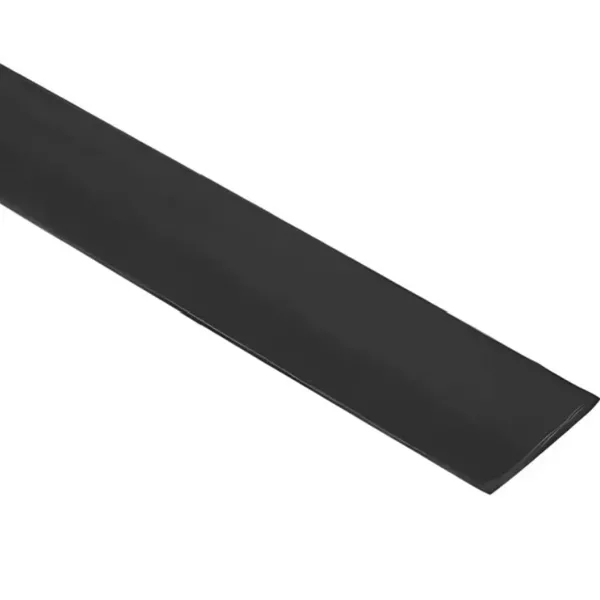
100 mm carbon plate is one of the advanced technology composite materials that stand out with superior properties such as high strength, low weight, and long service life. Thanks to its corrosion-resistant structure, it maintains its form and performance even under outdoor conditions. With advantages such as electrical conductivity, high tensile strength, and thermal stability, it is preferred in many sectors.
The 100 mm x T:1.4 mm carbon plate we produce has a medium width and, with its thin yet robust structure, is ideal for reinforcement applications in narrow spaces. Despite being lightweight, it offers a high load-bearing capacity. Thanks to these features, it can be used safely in automotive, defense industry, construction, and industrial production fields. It provides both aesthetic and structural solutions for your projects.
100 mm Carbon plate is a high-performance composite material produced basically by combining carbon fibers with special resins. This structure gives the plates incredible lightness and at the same time high strength.
One of the best-known application areas of carbon plates is the aviation and space industry. They are frequently preferred in aircraft fuselages, wings, interior panels, and even in the construction of spacecraft due to the requirements of weight saving and high durability. Lighter structures increase fuel efficiency while also enhancing performance.
The use of carbon plates in automobile manufacturing is also becoming increasingly widespread. Especially in high-performance vehicles and racing cars, they are used in body parts, interior trims, and chassis reinforcements to reduce the weight of the vehicle and improve its aerodynamic properties. This means better acceleration, shorter braking distances, and lower fuel consumption.
The lightness and durability of carbon plates have also revolutionized the sports equipment industry. Carbon plates are used in many products such as bicycle frames, racing bicycle rims, tennis rackets, golf clubs, skiing equipment, and even fishing rods to improve performance. They provide athletes with lighter and stronger equipment, helping them maximize their performance.
Carbon plates also have their own specific fields of use in the medical sector. They are preferred in prosthesis production thanks to their light weight and biocompatibility. In addition, they are used in radiological imaging equipment and surgical instruments in applications that require high precision and durability.
Carbon plates are also frequently used in robotic systems, automation equipment, and high-performance machines. Their light weight allows moving parts to operate faster and with less energy, while their high strength provides long-lasting and reliable use.
Carbon fiber pultrusion plates are one of the materials of the future, finding application in many different industries thanks to their unique combination of properties. With the advancement of technology, the application areas of carbon plates are expected to expand further and to take a greater place in different aspects of our lives.