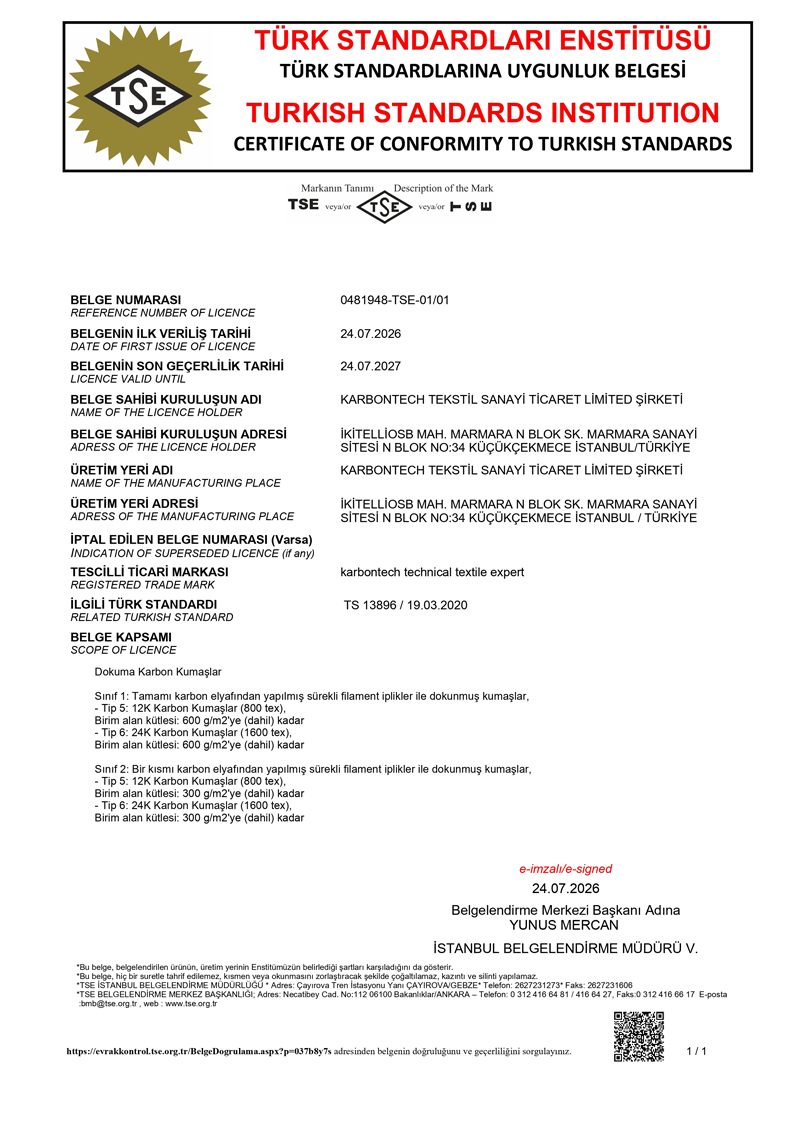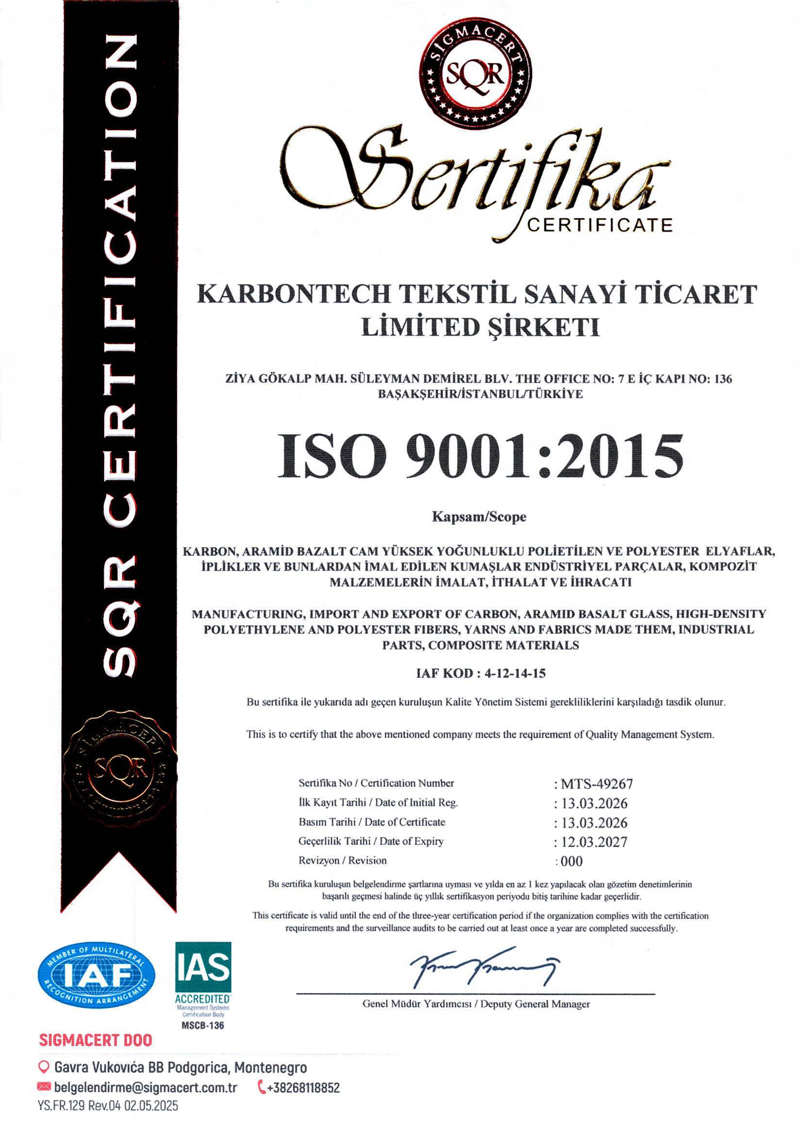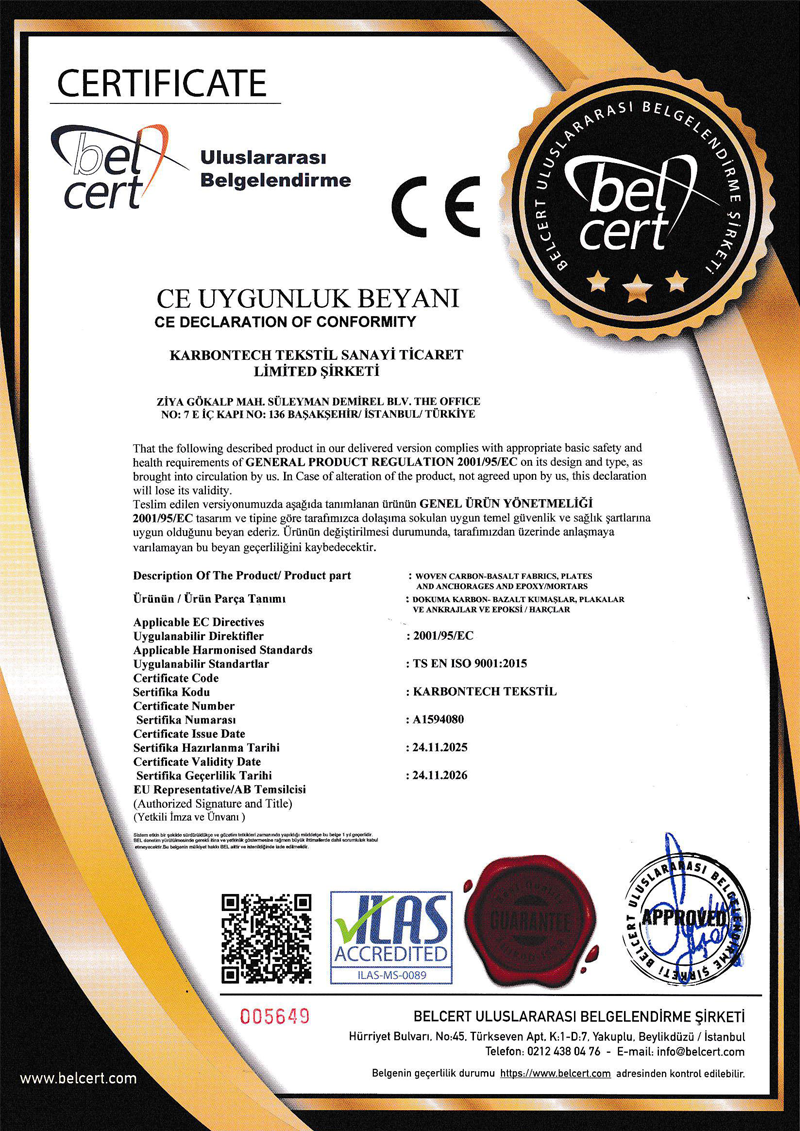
Our Certificates

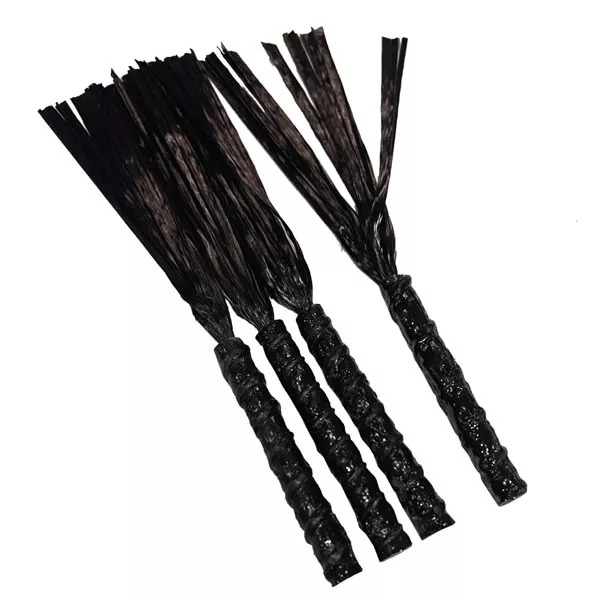
Carbon Tassel Rebar


Fiber Type: Dowaksa Carbon Fiber
Impregnation Material: Epoxy
Shape: Tasseled, Fringed
Dimensions: 10+15 cm – Customizable for your project
Tensile Strength: 4200 MPa
Elastic Modulus: 230 GPa


Optimal Compatibility with Basalt Mesh
Carbon fringe anchorage integrates seamlessly with carbon fiber anchorage fabric and mesh, providing an efficient reinforcement system.
Excellent Compatibility with Masonry Structures
It offers full compatibility with masonry structures, ensuring a special and safe integrity.
Enhanced Flexibility and Resistance to Shear Stresses
It increases structural flexibility and provides strong resistance to shear stresses.
Easy Application with Ready-to-Use Epoxy or Hydraulic Lime Mortar
It facilitates easy anchorage using ready-to-use epoxy or hydraulic lime mortar and ensures a smooth application.


•Reinforcement of historical structures using basalt mesh and carbon fiber fabric reinforcements.
•Reinforcement of solid structures.
•Ideal for use in masonry, domes, and vaults.
•Reinforcement of reinforced concrete structures with carbon fiber fabric.
•Reinforcement of ceiling slabs and walls using basalt mesh and carbon fiber fabric
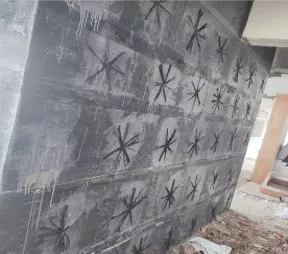
Tassel anchor is an anchoring element used especially in structural strengthening works of historical buildings and reinforced concrete elements, produced from high-performance materials such as carbon fiber, glass fiber, or basalt fiber.

It takes its name from its structure in which one end is left as loose fibers in the form of a "tassel". This tasseled part is intended to enable better integration of the anchor with the grout and to provide high adherence (bonding).

Tassel anchors are used in structural strengthening systems, particularly as a complementary component of FRP (Fiber Reinforced Polymer) applications. Their main purpose is to ensure that the applied meshes (nets) or fabrics work monolithically (as a single piece) with the structure, and to increase adhesion and load-bearing capacity.

The main areas of use are as follows:

  • Historical Structure Strengthening: In the strengthening and repair of domes, vaults, and brick and stone surfaces. They are preferred due to their properties that are compatible with the historical fabric.
  • Strengthening of Reinforced Concrete Structures: Seismic strengthening of columns, beams and slabs, and the repair and strengthening of lightly or moderately damaged elements.
  • Deformed Structural Elements: Repair and strengthening of structures such as bridges, viaducts and overpasses.
  • Masonry Structures: Renovation and strengthening projects of masonry and masonry structures.
  • Surface Preparation:

    • Harmful materials such as old paint and plaster on the surface to be treated must be completely cleaned and scraped off.
    • In masonry structures, brick or stone surfaces, and in reinforced concrete structures, reinforced concrete surfaces must be clean and dust-free. If necessary, cleaning should be carried out by sanding and compressed air.
    • Deep voids on the surface must be filled with suitable repair mortars, and sharp corners should be chamfered and rounded.
  • Drilling:

    • Holes of appropriate diameter and depth for the frayed-end anchorage element are drilled in the area where the application will be made. It is generally recommended to use at least 4 anchorages per 1 m², with an average spacing of around 50 cm between anchorages. The anchorage depth must be at least 2 cm deeper than the anchorage length.
  • Mortar Application and Placement of Anchors:

    • The drilled anchorage holes are partially filled with the special strengthening mortar (epoxy-based or hydraulic lime-based) required by the project.
    • The frayed-end anchorage element is carefully placed into the hole so that the stiffened portion enters the hole and the frayed portion remains on the surface. The mortar must fill the voids of the anchorage to ensure good adhesion.
  • Second Coat Mortar Application and Mesh/Fabric Placement (If Required):

    • A second coat of strengthening mortar or epoxy is applied around and over the anchorage element so as to completely cover it.
    • If the strengthening project includes FRP mesh or carbon fiber fabric application, it may be placed over or under the mortar at this stage. This ensures that the entire system works together.
  • Curing and Finishing:

    • The applied mortar and/or epoxy resin must set and cure in accordance with the manufacturer’s instructions.
    • After curing, final coat applications such as plaster or paint may be applied to the treatment surface if required. Sandblasting on the epoxy resin before it has fully set provides better adhesion for plaster applications to be carried out later.
WhatsAppSupport Line